Encounters above the circle
Beyond natural seascapes and mountain summits, the Norwegian Arctic carries a rich human story spanning thousands of years of indigenous Sámi reindeer herding, pomor trade connections with Russia, heroic polar exploration expeditions, and profound postwar reconstruction.
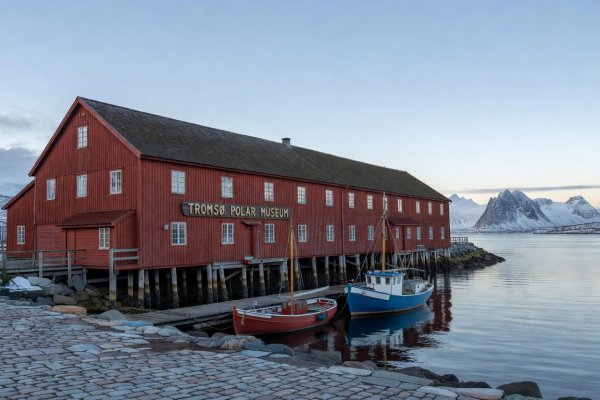 Tromsøya
The Polar Museum (Polarmuseet)
Situated in a preserved 1830s harbour warehouse in Tromsø, the museum chronicles Svalbard trapping expeditions, seal hunting traditions, and the legendary polar journeys of Roald Amundsen and Fridtjof Nansen. It stands as an authentic testament to Arctic maritime resilience.
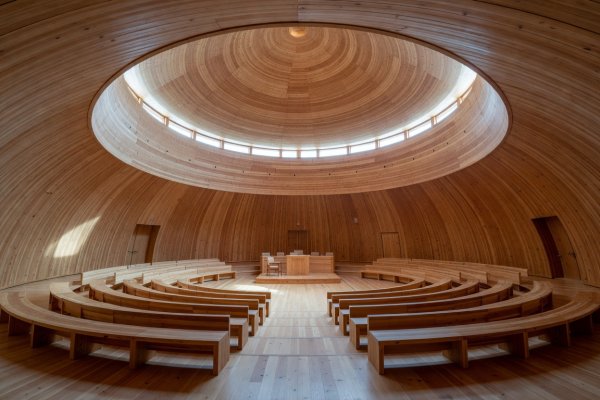 Karasjok
The Sámi Parliament (Sámediggi)
In the cultural hub of Karasjok sits the democratic assembly building representing the indigenous Sámi people. Designed by architects Stein Halvorsen and Christian Sundby, its iconic council chamber draws inspiration from traditional lavvu tent architecture, cladded in untreated Siberian larch.
 Alta
Alta
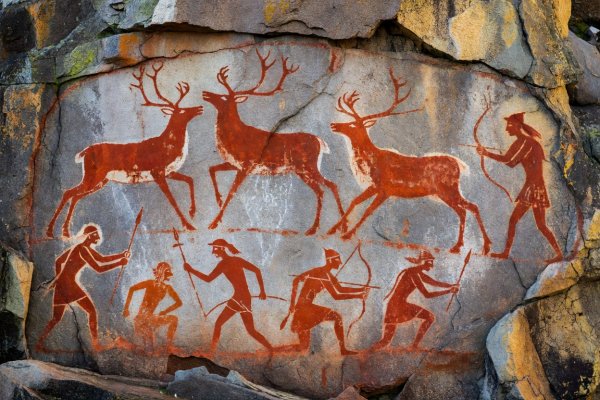
Rock Art of Alta (Hjemmeluft)
A UNESCO World Heritage site featuring thousands of petroglyphs and rock paintings dating between 5,000 and 500 BC. The carvings depict reindeer, bears, boats, and prehistoric rituals, demonstrating ancient human occupation along the sheltered shores of Altafjorden.
 Magerøya
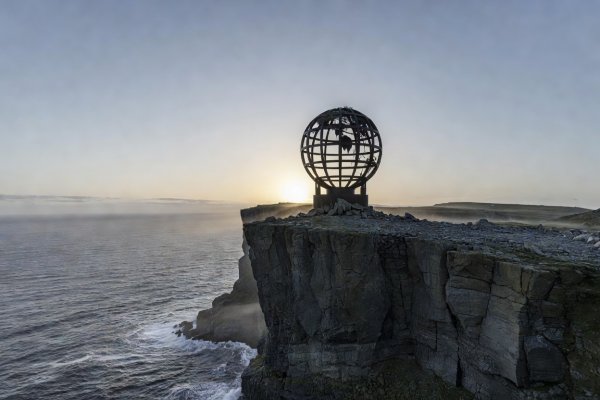
Nordkapp Plateau
Towering 307 meters above the icy Barents Sea at 71°10′21″N, the North Cape plateau has attracted visitors since Italian priest Francesco Negri walked here in 1664. While commercialized inside the subterranean visitor center, standing at the iron globe in howling Arctic wind remains an unforgettable geographic boundary experience.
Responsible Interaction with Sámi Culture
Sápmi spans northern Norway, Sweden, Finland, and Russia's Kola Peninsula. Visitors should recognize that reindeer husbandry and traditional duodji handicrafts are living livelihoods, not historical reenactments. Support authentic indigenous artisans by seeking the 'Sámi Duodji' certification mark, and always respect private grazing lands during autumn and spring herd migrations.
Maritime Life and the Coastal Express
Since 1893, the Hurtigruten coastal liners (and more recently Havila Kystruten) have served as the vital lifeline connecting thirty-four coastal communities between Bergen and Kirkenes. Even if not traveling as a cruise passenger, local port calls in places like Vardø, Honningsvåg, or Ørnes offer an authentic look at how milk, building supplies, mail, and medical passengers arrive in remote island villages.