Read the Arctic night
The aurora borealis is neither magic nor an on-demand attraction. It is a physical collision between charged solar particles and upper atmospheric gases occurring roughly 100 to 300 kilometers above the earth. Understanding the science prevents disappointment and turns aurora hunting into an intelligent exercise in meteorology.
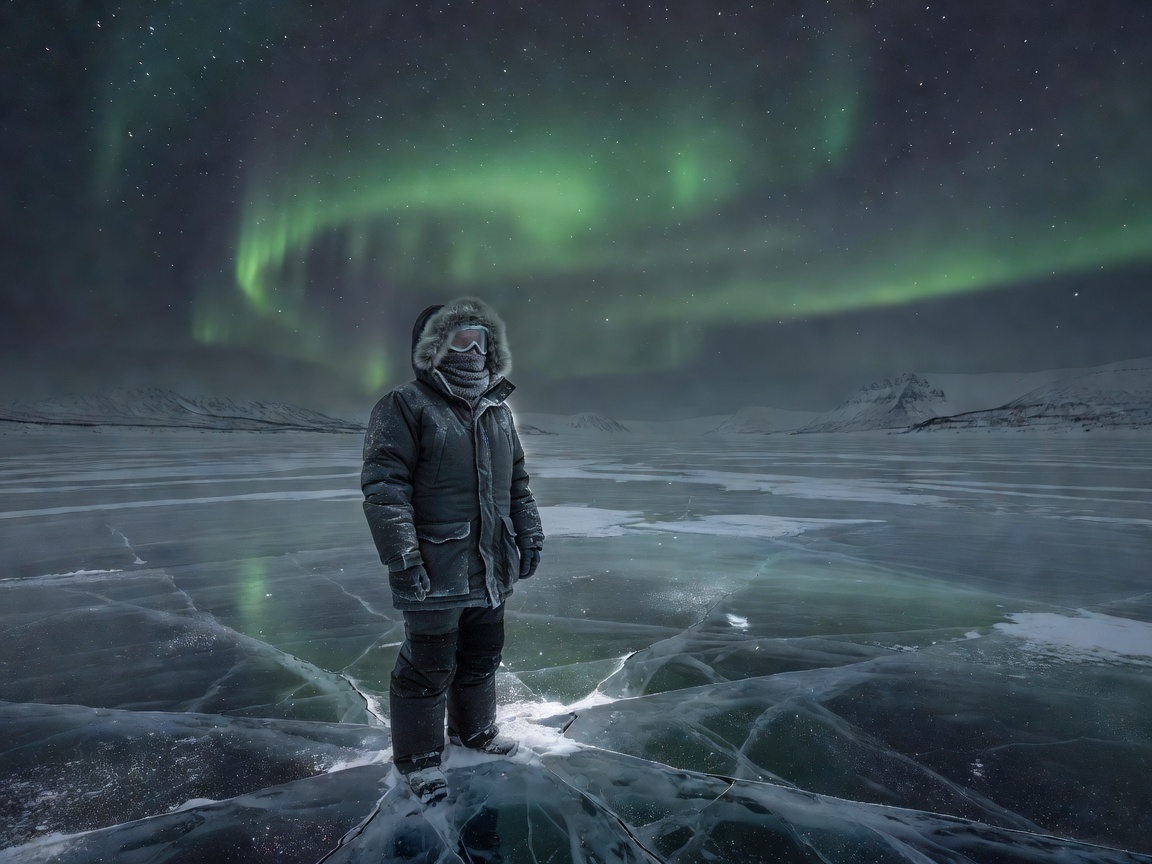 Skibotn Valley
The Essential Triad: Sun, Darkness, Clear Sky
You cannot see the aurora without three synchronized conditions: solar wind energy releasing coronal mass particles, true astronomical darkness (meaning mid-April through late August is impossible despite high solar activity), and an absence of low cloud cover. The primary reason travellers miss the lights in Tromsø or the Lofoten Islands is not lack of solar activity, but solid maritime overcast blowing in from the Atlantic.
Why the Kp-Index Can Mislead
Travel apps often advertise the planetary Kp-index, measured on a scale of 0 to 9. While useful for mid-latitude observers in Germany or the UK, Northern Norway sits directly beneath the statistical auroral oval (latitude 68°N to 70°N). This means even at Kp 0 or Kp 1, bright aurora often sweeps overhead. The real obstacle in the Arctic is almost always cloud cover rather than geomagnetic insufficiency.
Finding the Rain Shadows
When moist westerly winds bring snow flurries to Tromsøya, guide vans drive two hours east into the rain shadow of the Lyngen Alps, entering the Skibotndalen or Signaldalen valleys. Further east, the vast inland plateau of Finnmarksvidda around Kautokeino offers stable continental high pressure, producing biting sub-zero temperatures (often -25°C or lower) alongside clear starlit skies.
What Real Human Eyes See vs. Camera Sensors
Modern camera sensors collect light over long exposures (4 to 15 seconds), illuminating faint auroral arcs into neon-green and vivid purple photographs. The human eye relies on rod cells in low light, meaning faint auroral displays often appear as pale grey, mist-like ribbons arching across the constellations until a sudden substorm burst causes rapid coronas with discernible emerald, pink, and violet tints.
Cold Weather Viewing Protocols
Viewing the aurora entails standing stationary in exposed coastal valleys or plateau ridges for hours at night. Hypothermia sets in silently when wind chill penetrates cotton clothing. Follow standard Arctic field guidelines:
- Base layer: Pure merino wool against the skin; never wear cotton or synthetic sweat-retaining polyester.
- Insulation: Heavy wool mid-layer followed by a lofty down or primaloft parka.
- Boots: Winter boots with thick soles (at least 20mm rubber) to insulate feet from frozen stone and snowpack.
- Battery safety: Lithium-ion camera and phone batteries lose charge exponentially below 0°C. Keep spare batteries inside your inner coat pocket next to body warmth.
- Red lights only: Use red headlamp beams to preserve night vision adaptation for yourself and fellow observers.